 Pass
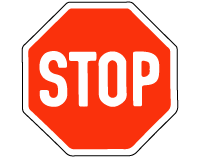
PassStop Sign
Where: At intersections, railway crossings, pedestrian crossings, and areas controlled by scholar patrols. It is placed where it is mandatory for drivers to bring their vehicle to a complete stop before proceeding.
Purpose: To ensure that drivers come to a full stop to prevent collisions, allow other road users to cross safely, and give right-of-way where applicable. Stop signs are crucial for managing traffic flow at potentially hazardous points such as intersections and crossings.
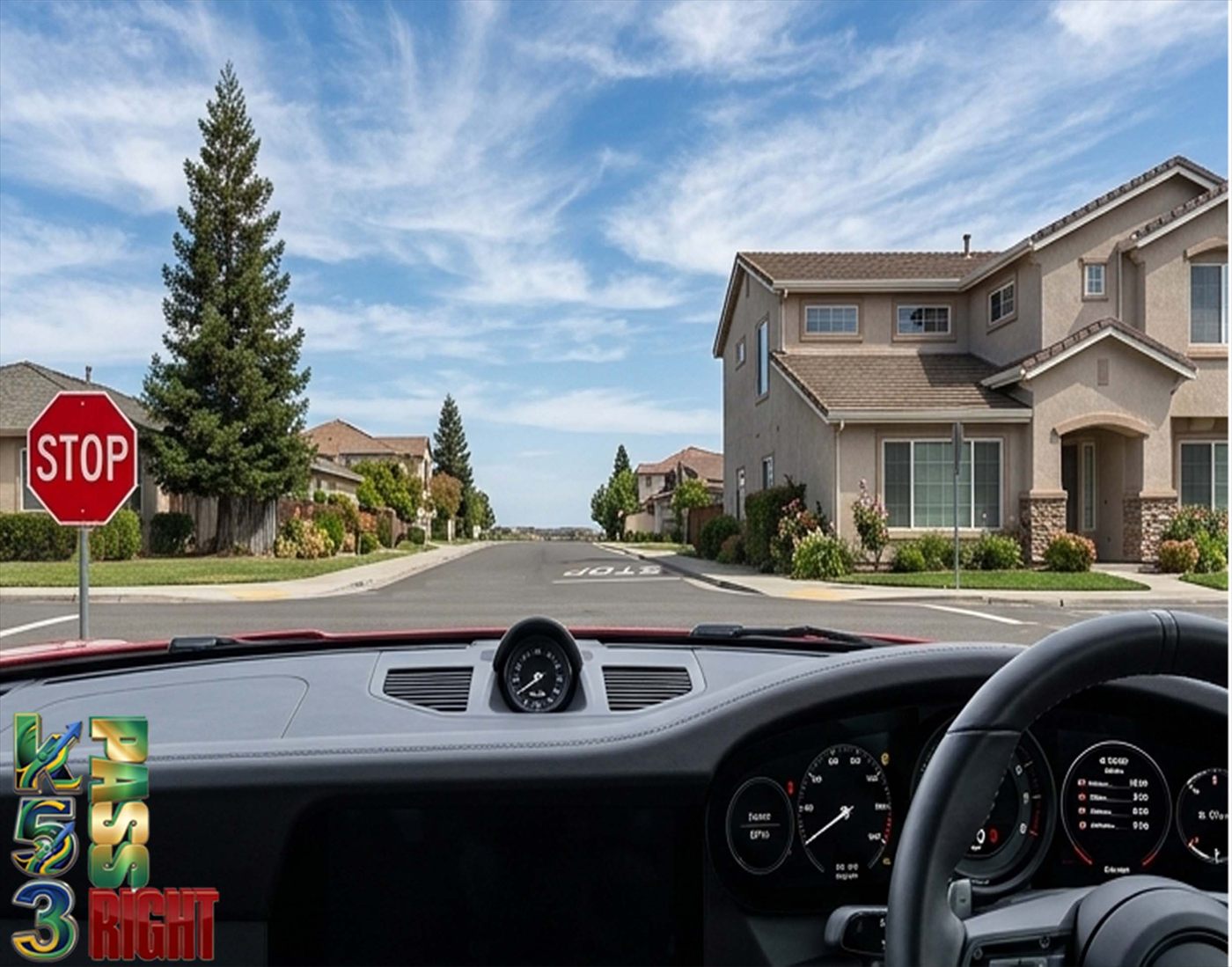
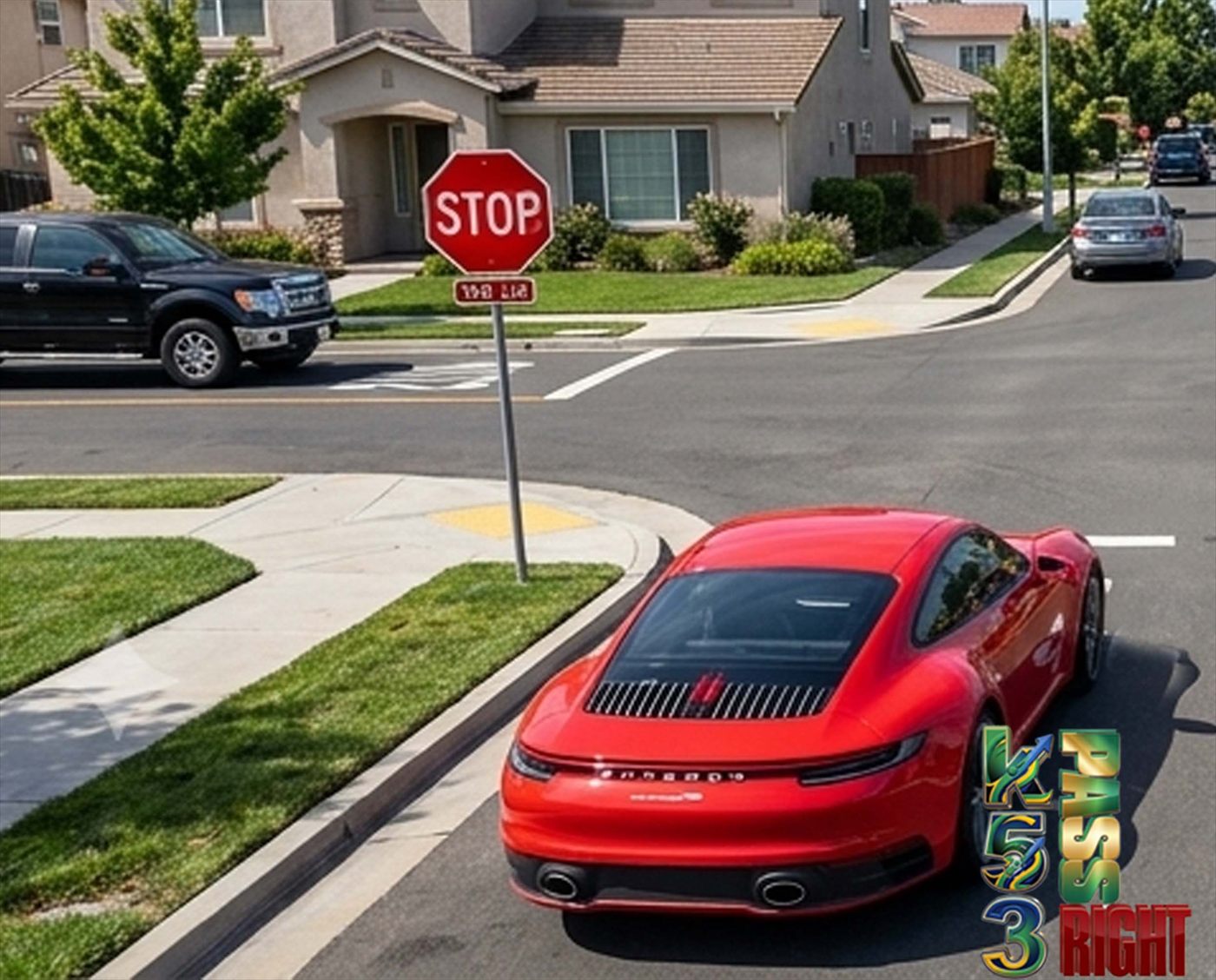
Action Required by Driver: Bring your vehicle to a complete stop behind the stop line. If there is no stop line, stop so that the front of your vehicle aligns with the stop sign. Look in all directions (left, right, and ahead) for other vehicles, pedestrians, or hazards before proceeding.
- Wait your turn — at a three-way or four-way stop, do not move off before vehicles that stopped before you have moved, unless you have been given the right-of-way.
- Proceed safely — only proceed when it is completely safe, ensuring there is no risk of collision with other road users. Be extra cautious when visibility is limited, such as near bends, hills, or in poor weather conditions.